Now Reading: Gela Beach
-
01
Gela Beach


Ever dreamed of finding a beach so quiet, you could hear a pebble drop?
Well, let me tell you about Gela Beach in Crete – it’s the real deal when it comes to peace and quiet.
Located on the northern coast of Crete, Gela (also known as Tigania) is a hidden treasure.
It’s about 58km east of Agios Nikolaos and 26km west of Sitia, near the village of Kalavros.
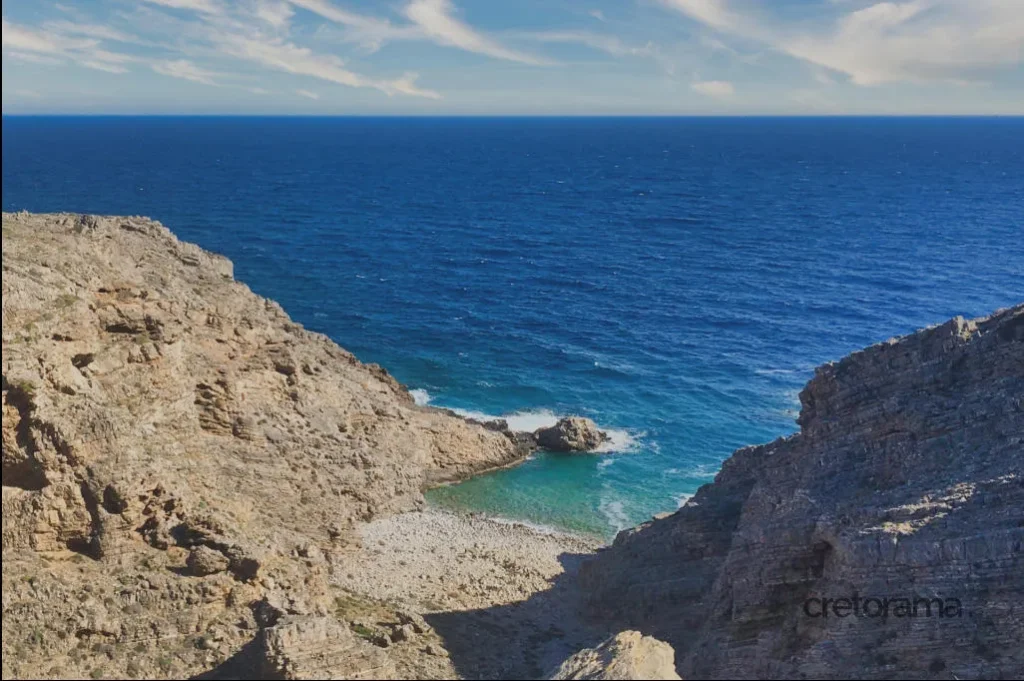
Getting there is part of the adventure.
From Agios Nikolaos, you take the road to Sitia, then follow signs to Kalavros village.
From there, it’s a 5km dirt track to the sea. It’s not the easiest drive, but trust me, it’s worth it.
When I first arrived at Gela, I was blown away by the raw beauty of the place.
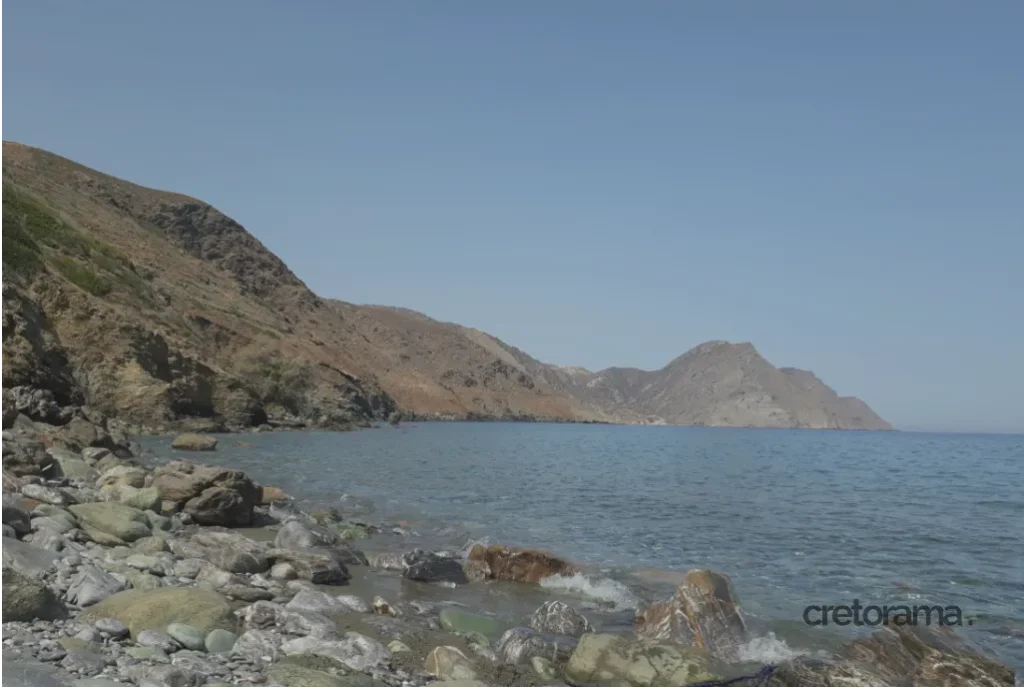
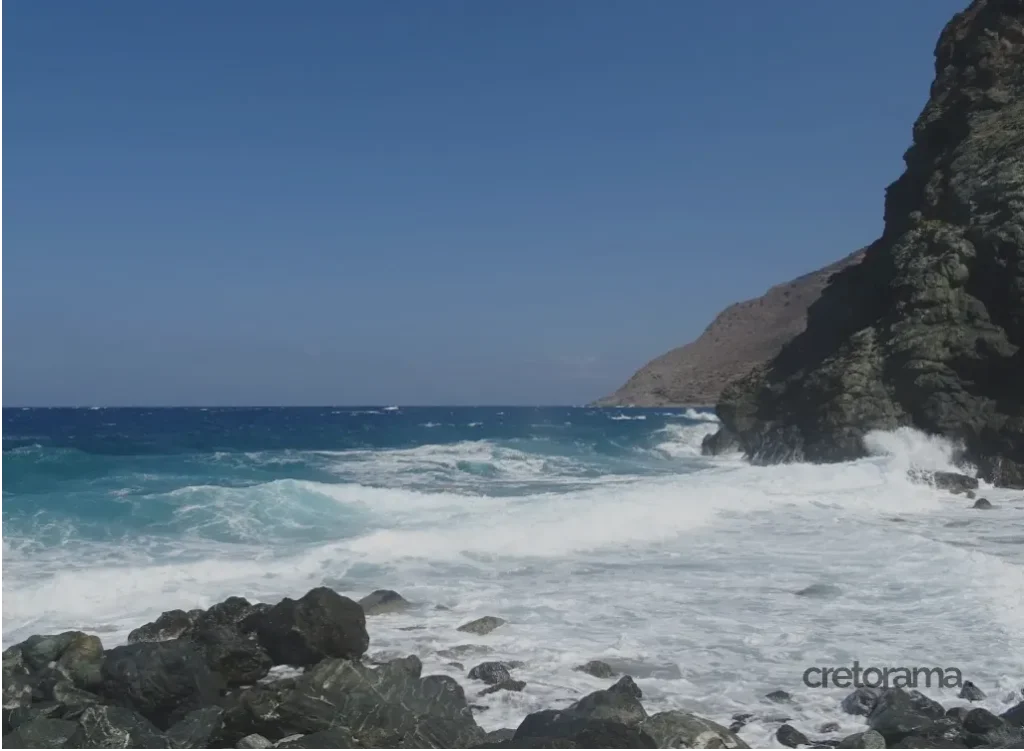
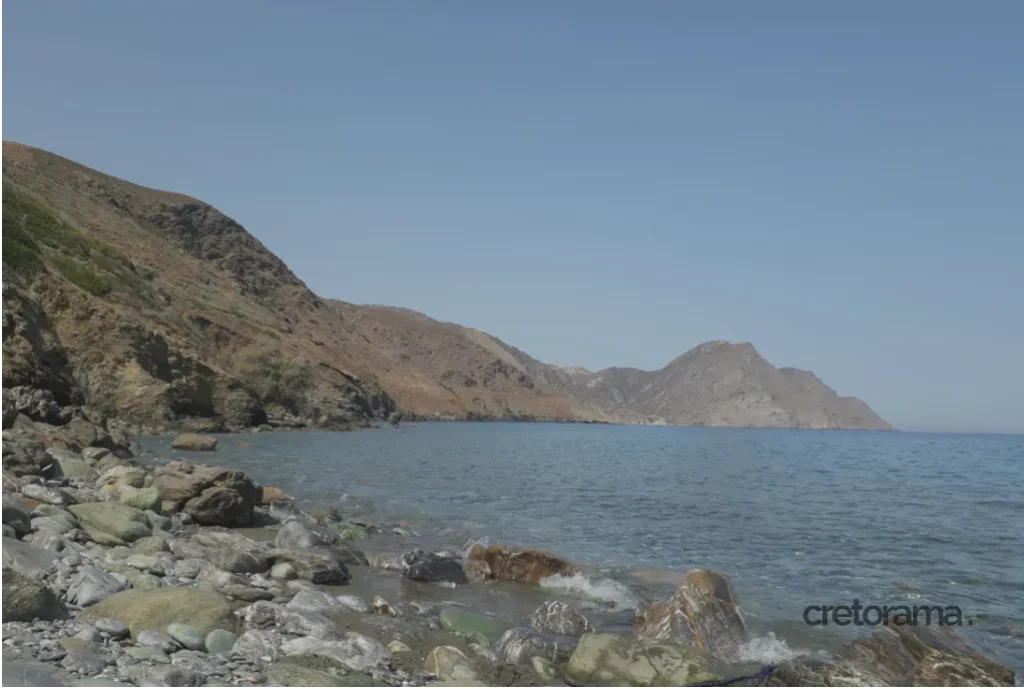
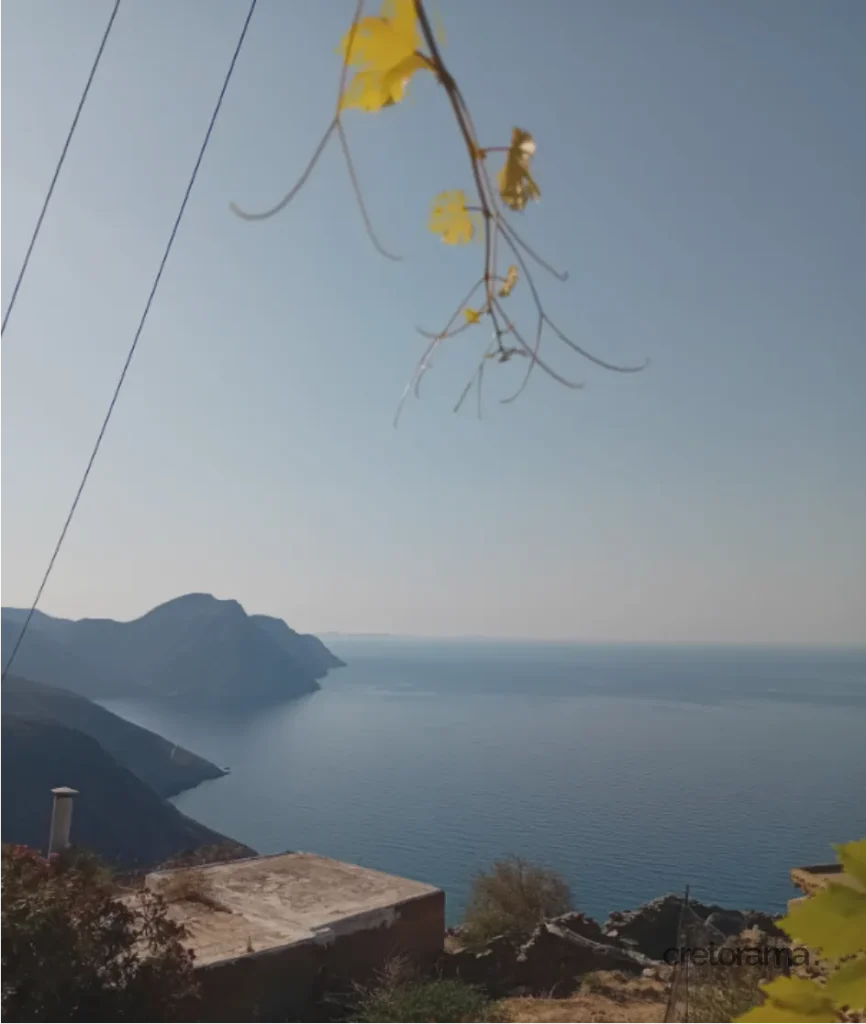
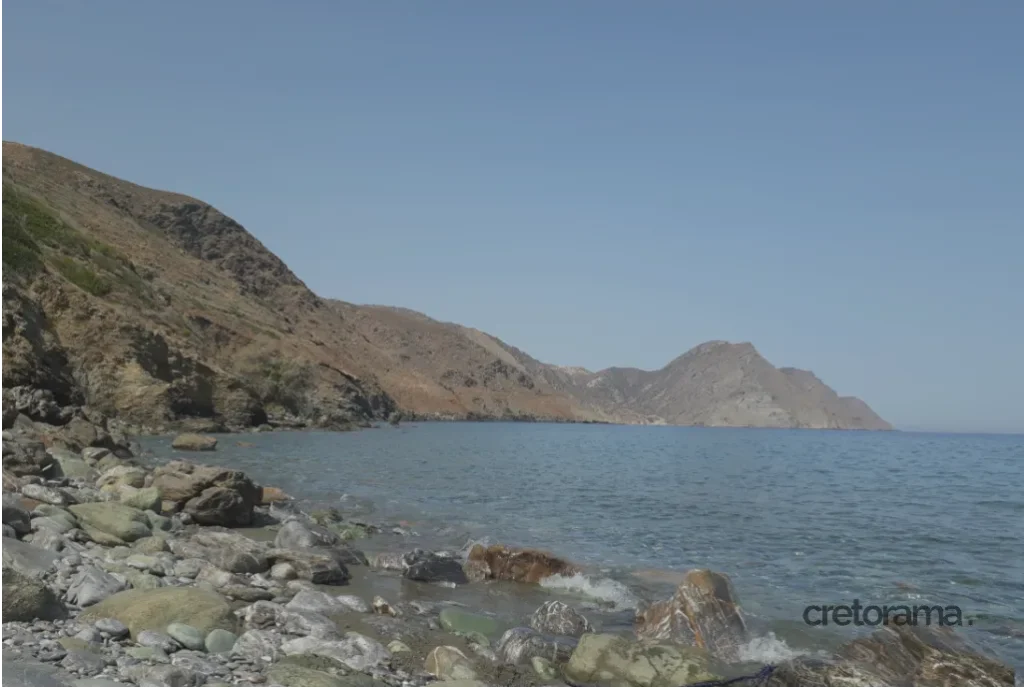
The coastline is rocky and pebbly, with several small coves dotting the shore. Each cove feels like its own private beach.
The water here is a deep, mesmerizing blue.
On calm days, it turns into a gorgeous greenish hue that’s perfect for swimming.
The sea is deep, which makes it great for diving right in.
One of the best things about Gela is how protected it is from westerly winds.
✈️🌟Exclusive Crete Travel Deals✨🌍
This means that even on days when other beaches are getting battered by waves, Gela often remains calm and inviting.
What really struck me about Gela was the absolute solitude.
It’s the kind of place where you might not see another soul all day.
If you’re looking to escape the crowds and truly disconnect, this is your spot.
Gela is part of the stunning collection of Lassithi Beaches, each with its own unique character. But Gela stands out for its untouched beauty and peaceful atmosphere.
For nature lovers and those seeking tranquility, Gela is a dream come true.
It’s perfect for snorkeling , fishing, or simply soaking in the unspoiled surroundings.
Just remember, this isn’t a beach with fancy amenities.
It’s all about embracing nature in its purest form.
So pack a picnic, bring plenty of water, and prepare for a day of total relaxation in one of Crete’s most untouched coastal spots.
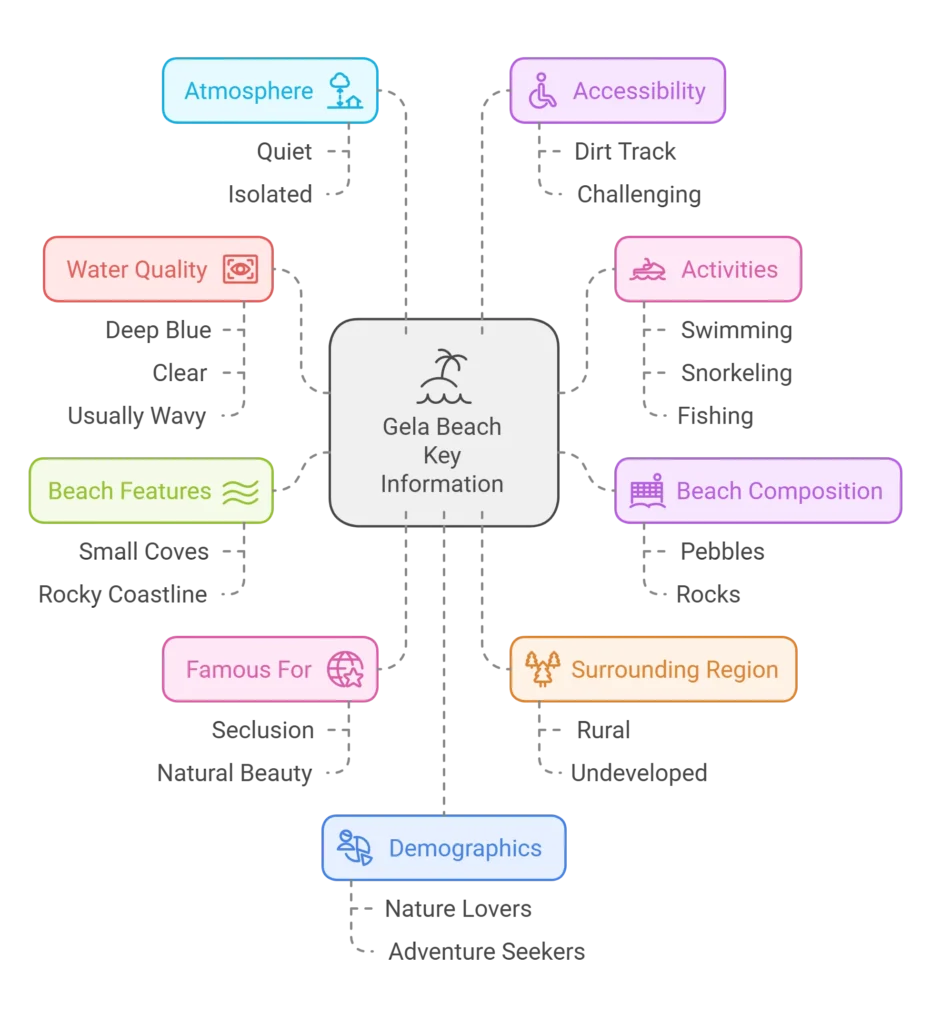
Gela Beach Key Information
| Category | Information |
|---|---|
| Location | East Crete, North coast |
| Beach Composition | Pebbles, Rocks |
| Water | Deep blue, Clear, Usually wavy |
| Beach Features | Small coves, Rocky coastline |
| Amenities | None |
| Famous For | Seclusion, Natural beauty |
| Activities | Swimming, Snorkeling, Fishing |
| Historical Role | Part of ancient coastal settlements |
| Surrounding Region | Rural, Undeveloped |
| Atmosphere | Quiet, Isolated |
| Dining | None on-site |
| Accessibility | Dirt track, Challenging |
| Period to Visit | Late spring to early fall |
| Demographics | Nature lovers, Adventure seekers |

Gela Beach Profile
Gela Beach isn’t your typical sandy stretch.
It’s a rugged, natural beauty that offers something different from the more manicured beaches you might find elsewhere.
The beach is primarily made up of pebbles and small rocks.
While it might not be ideal for building sandcastles, it’s perfect for those who prefer a more natural setting.
The pebbles are smooth and comfortable to walk on, though water shoes can be helpful.
What really sets Gela apart is its series of small coves.
Each one feels like a private little world, separated by rocky outcroppings.
It’s like having multiple beaches to choose from, all in one location.
The water at Gela is incredibly clear and ranges from deep blue to a beautiful greenish color, depending on the light and weather.
It’s deep close to the shore, which is great for swimming but might not be suitable for very young children or weak swimmers.
The coastline is steep and rocky, creating a dramatic backdrop for your beach day.
These cliffs also provide some natural shade in the afternoon, which can be a blessing on hot summer days.
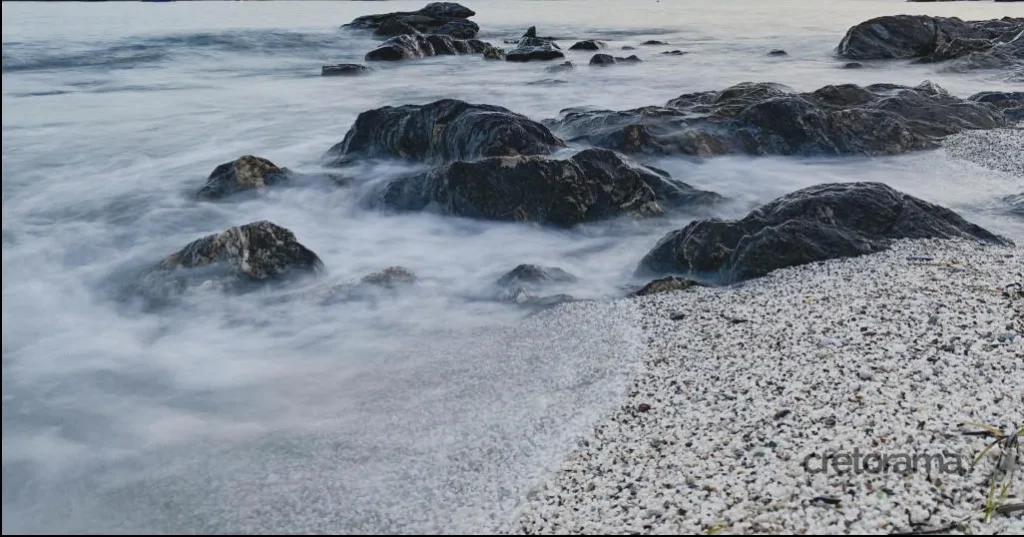
One thing to note is that the sea can be wavy at times.
While the beach is somewhat protected from westerly winds, it can still get choppy.
Always check the conditions before swimming.
Gela is also known to be nudist-friendly, so don’t be surprised if you see some fellow beachgoers enjoying the sun au naturel. It’s all part of the free, natural vibe of the place.
Amenities
When it comes to amenities at Gela Beach, the keyword is “natural”.
This isn’t a place with beach bars, sun loungers, or watersports rentals.
It’s all about enjoying the beach in its most pure, untouched state.
There are no facilities at Gela.
No toilets, no showers, no snack bars. It’s just you and the sea.
This lack of amenities is part of what keeps Gela so quiet and unspoiled.
It’s not a place for those seeking comfort and convenience, but rather for those who want to experience nature without any frills.
The natural rock formations do provide some shade in parts, especially in the afternoon. However, if you’re planning to spend a full day here, it’s a good idea to bring your own umbrella or sun shelter.
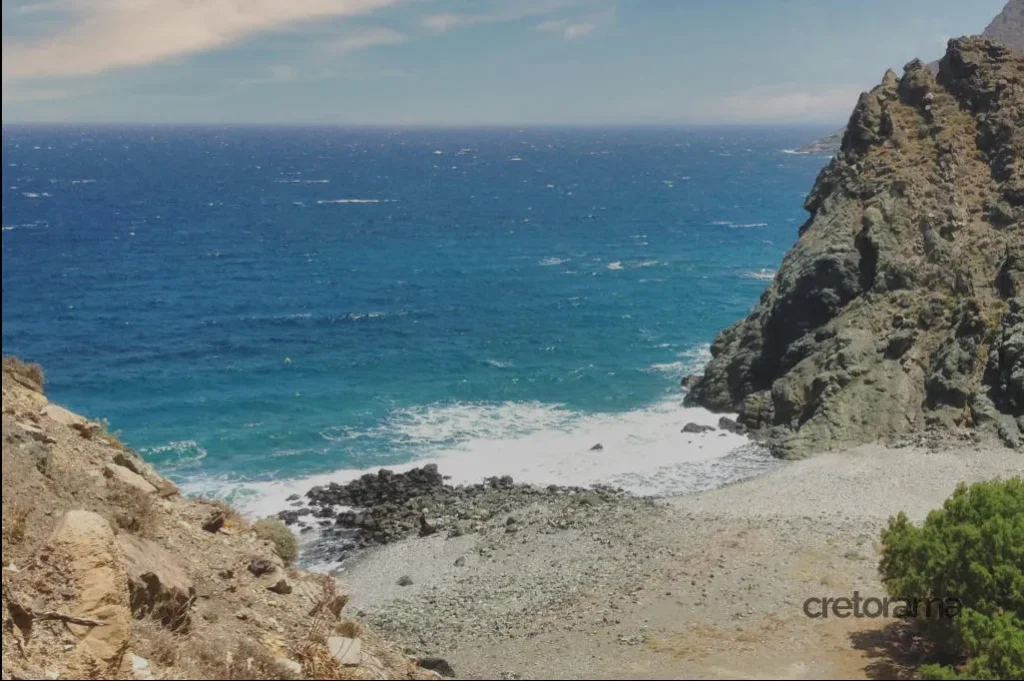
There’s no lifeguard on duty, so swimmers need to be cautious and aware of sea conditions.
Remember to bring everything you need for the day:
– Plenty of water
– Food and snacks
– Sunscreen
– Towels
– Any beach gear you might want (snorkels, books, etc.)
– A first aid kit is also a good idea, given the remote location
While the lack of amenities might seem inconvenient, it’s what gives Gela its special charm.
It’s a place to disconnect from the modern world and connect with nature.
Accommodations
If you’re looking for beachfront hotels at Gela, you might be disappointed.
This remote beach doesn’t have any on-site accommodation options.
However, that doesn’t mean you can’t stay nearby and enjoy Gela’s beauty.
The closest place to find accommodation is the village of Kalavros.
It’s a small, traditional Cretan village about 5km inland from Gela.
Here, you might find a few small guesthouses or rooms to rent.
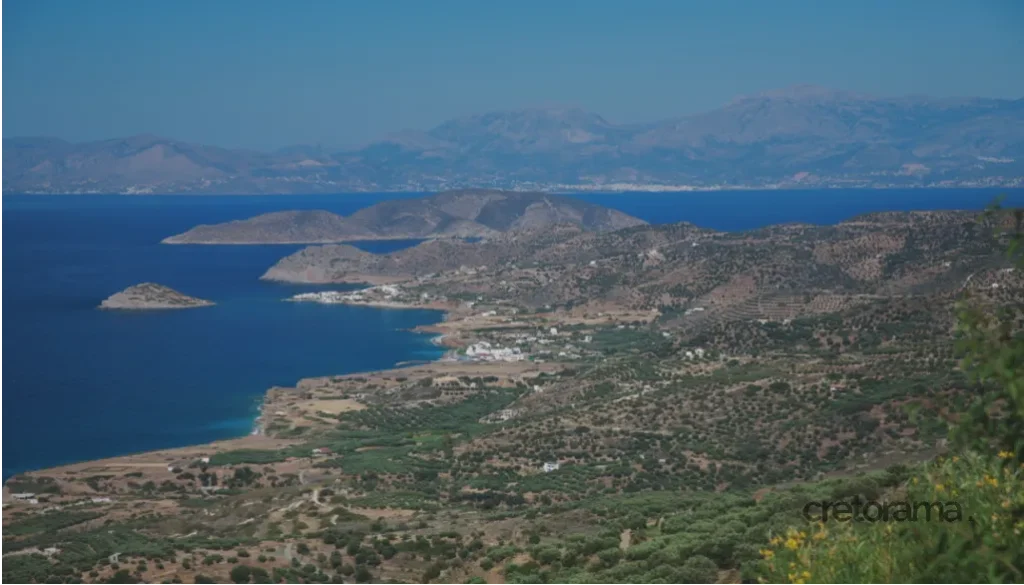
For more options, look to the larger towns in the area:
– Sitia (26km east) offers a range of hotels, from budget to luxury.
It’s a charming town with a nice beach of its own.
– Agios Nikolaos (58km west) has even more choices, including resorts and boutique hotels.
It’s further away but could be a good base for exploring eastern Crete.
If you’re into camping, there are some organized campsites in the broader area, though not right at Gela.
The closest ones are usually around Sitia or Agios Nikolaos.
For those who really want to embrace the natural experience, some visitors choose to do some discreet wild camping near Gela.
However, keep in mind that wild camping is technically not allowed in Greece, so if you go this route, be respectful of the environment and leave no trace.
Wherever you choose to stay, having a car is essential for accessing Gela Beach.
The remote location means you’ll need to drive to get there, so factor that into your accommodation plans.
History and Significance
While Gela Beach itself doesn’t have any major historical sites, the surrounding area is rich with history that spans thousands of years.
The name “Gela” (or its alternative name “Tigania”) doesn’t have a clear historical origin, but it’s likely rooted in the local dialect or possibly ancient Greek.
This part of Crete has been inhabited since Minoan times.
The Minoans, one of Europe’s earliest advanced civilizations, had settlements all along this coastline.
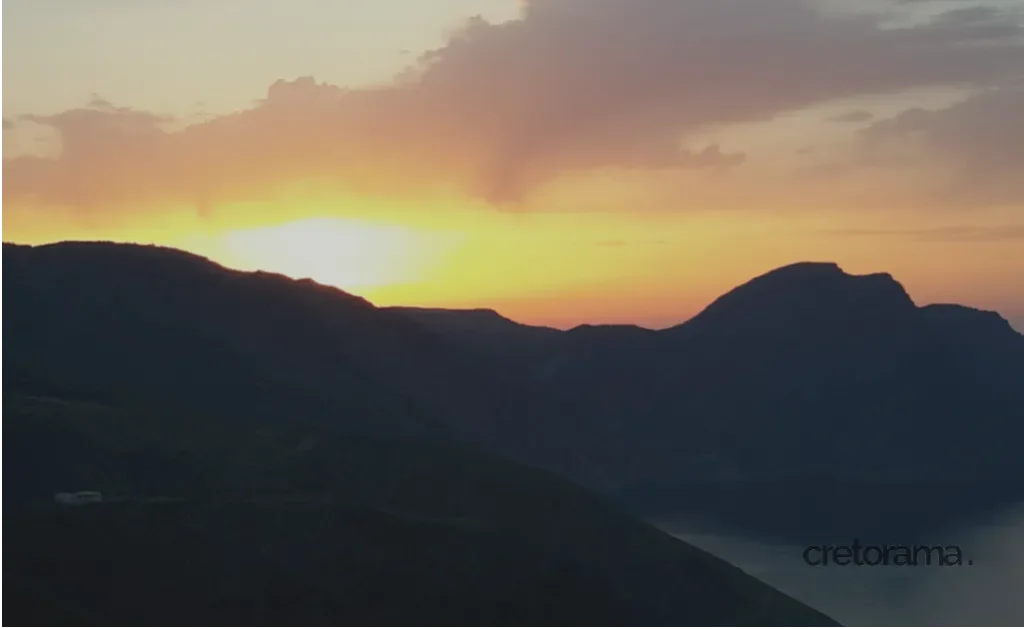
While there aren’t visible ruins at Gela, it’s exciting to think that ancient eyes looked out over these same waters thousands of years ago.
In more recent history, this stretch of coastline played a role during World War II.
The rugged, isolated nature of beaches like Gela made them ideal spots for resistance fighters and allied soldiers to hide or stage covert operations.
Today, Gela’s significance lies in its unspoiled nature.
In a world where beaches are increasingly developed and commercialized, Gela stands as a reminder of Crete’s wild beauty.
The beach is also ecologically significant.
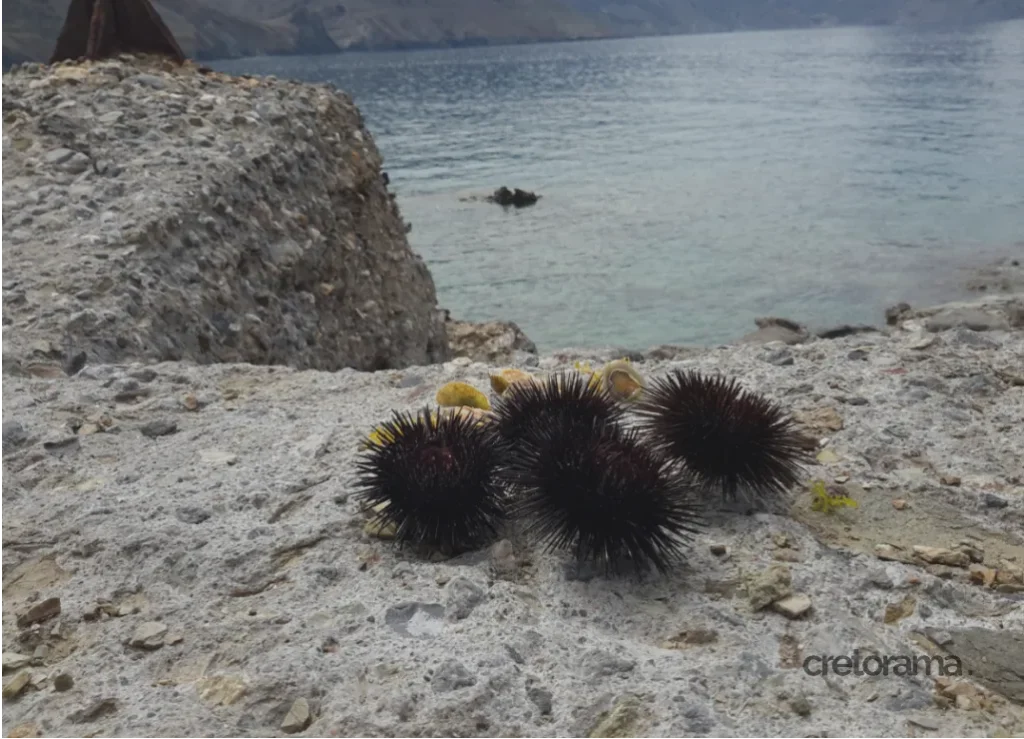
Its clean waters and undisturbed shoreline provide a habitat for various marine species.
The lack of development has allowed the natural ecosystem to thrive here.
For locals, beaches like Gela represent a connection to Crete’s past – a glimpse of what the island was like before mass tourism.
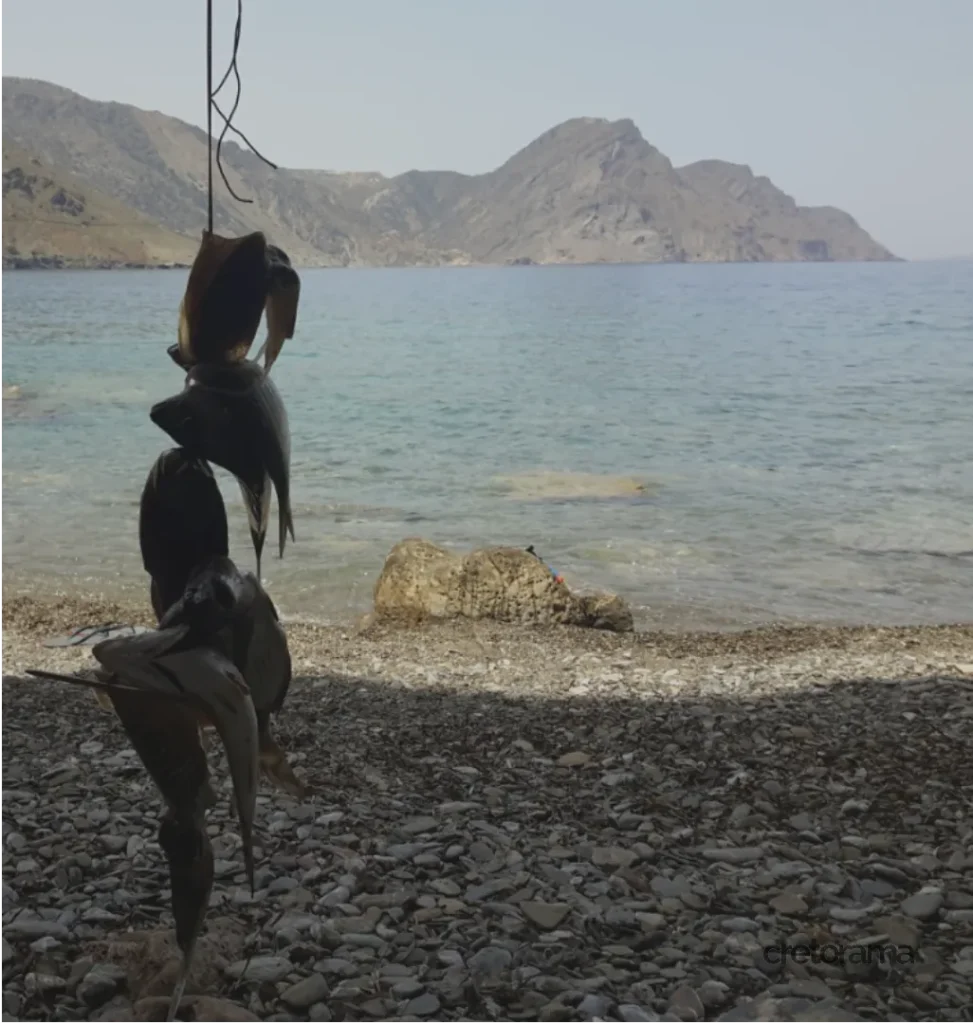
It’s a place where traditional ways of life, like small-scale fishing, can still be observed.
While it might not have grand historical monuments, Gela’s untouched state is a living piece of history – a window into Crete’s natural past.
Activities
Despite its remote location and lack of facilities, Gela Beach offers plenty of activities for nature lovers and adventure seekers. Here’s what you can get up to:
Swimming: The clear, deep waters are perfect for a refreshing swim.
Just be cautious of waves and currents, especially if the sea is rough.
Snorkeling: The rocky coastline and clear water make Gela an excellent spot for snorkeling.
Bring your own gear and explore the underwater world teeming with Mediterranean marine life.
Fishing: If you’re into fishing, Gela is a great spot.
The deep waters and rocky coast create an ideal environment for various fish species.
Remember to check local regulations if you plan to fish.
Hiking: The surrounding area offers some great hiking opportunities.
You can explore the rugged coastline or venture inland for some beautiful Cretan landscapes.
Photography: With its dramatic scenery and beautiful light, Gela is a photographer’s dream. Capture the interplay of sun, sea, and rocks for some stunning shots.
Birdwatching: The quiet, natural environment attracts various bird species.
Bring binoculars and see what you can spot.
Sunbathing: Of course, sometimes the best activity is simply lounging on the beach.
Gela’s peaceful atmosphere is perfect for relaxation.
Exploring: Each little cove along the beach is like its own mini-adventure.
Spend the day discovering these hidden nooks.
Remember, there are no rental facilities at Gela, so bring any equipment you might need.
And always prioritize safety, especially when in or near the water.
Dining
When it comes to dining options at Gela Beach, it’s all about being prepared and embracing the picnic life.
There are no restaurants, cafes, or even snack bars on this remote stretch of coast.
Here’s how to handle meals at Gela:
1. Pack a Picnic: This is your best bet. Bring a cooler filled with sandwiches, fruits, and plenty of water.
Greek specialties like dakos (Cretan rusk with tomato and cheese) travel well and are perfect for a beach picnic.
2.Local Produce: Before heading to the beach, stop by the village of Kalavros or a market in a larger town.
Pick up some local cheese, olives, and fresh fruit for an authentic Cretan beach snack.
3. Stay Hydrated: Bring more water than you think you’ll need.
The Cretan sun can be intense, and there’s nowhere to buy drinks at the beach.
If you’re looking for a proper meal before or after your beach visit, here are some options:
– Kalavros Village: The nearest settlement to Gela.
There might be a small taverna here serving simple, traditional Cretan dishes.
– Sitia: About 26km east, this town has a variety of dining options, from traditional tavernas to more modern restaurants.
It’s a great place to try local specialties like kalitsounia (cheese pies) or grilled fish.
– Agios Nikolaos: If you’re coming from or heading back to Agios Nikolaos (58km west), you’ll find a wide range of dining options here, including some excellent seafood restaurants around the lake and harbor.
Remember, part of Gela’s charm is its isolation from modern conveniences.
Embrace the opportunity to enjoy a simple, peaceful meal with a view that no restaurant could match!
Best For Travelers
Gela Beach isn’t for everyone, but for certain types of travelers, it’s absolute paradise.
Here’s who will love it most:
Nature Enthusiasts: If you love raw, unspoiled landscapes, Gela is your playground.
The combination of rocky coast, clear waters, and total lack of development is hard to beat.
Peace Seekers: Want a beach where you might be the only person there?
Gela often offers that level of solitude.
Snorkelers and Divers: The clear waters and rocky coastline create an interesting underwater landscape to explore.
Adventurers: The journey to Gela is part of the experience.
If you enjoy going off the beaten path, you’ll love the adventure of finding this hidden beach.
Photographers: From the interplay of light on water to the dramatic rocky coastline, there are countless photo opportunities.
Nudists: As a nudist-friendly beach, Gela is great for those who prefer to sunbathe au naturel.
It’s less suitable for:
– Families with young children (due to the lack of facilities and potentially rough seas)
– Those with mobility issues (the pebbly beach and lack of infrastructure can be challenging) – Travelers seeking luxury or comfort
– People who prefer sandy beaches
– Those who like to have amenities like beach bars or water sports rentals
If you’re the type who values unique experiences over comfort and loves to get off the beaten path, Gela Beach could be the highlight of your Cretan adventure.
Gela Beach Map – Getting There
Getting to Gela Beach is part of the adventure. Here’s how to find this hidden coastal gem:
1. First, you’ll need to get to the village of Kalavros.
From Agios Nikolaos, take the road towards Sitia.
After about 50km, you’ll see signs for Kalavros. Turn off the main road and head towards the village.
2. Once in Kalavros, look for signs pointing towards the coast or ask a local for directions to “Gela” or “Tigania” beach.
3. From Kalavros, a 5km dirt track leads to the sea.
This is where the adventure really begins.
The road is rough in places, so a vehicle with good ground clearance is ideal.
If you’ve rented a car, check that your rental agreement allows for driving on unpaved roads.
4. Follow this track until you reach the coast. You’ll know you’ve arrived when you see the beautiful blue sea and pebbly coves.
A few things to keep in mind:
– There’s no public transport to Gela Beach. A car is essential.
– The dirt road can be challenging. Drive slowly and carefully.
– There are no signs on the beach itself, so you might want to drop a pin on your phone’s map to remember where you parked.
– In very wet weather, the dirt road might become difficult to navigate.
Check conditions locally if you’re visiting outside of the main summer season.
For the most up-to-date information on local road conditions, it’s worth checking the Lassithi municipality website.
Remember, the journey to Gela is part of what makes it special. Embrace the adventure, and you’ll be rewarded with one of Crete’s most unspoiled beaches.
Distances from Major Cretan Cities
Approximate distances and driving times from major Cretan cities to Gela Beach:
- Chania: 230 km (143 miles), approximately 3 hours 30 minutes drive
- Rethymnon: 175 km (109 miles), approximately 2 hours 45 minutes drive
- Heraklion: 120 km (75 miles), approximately 2 hours drive
- Hersonissos: 100 km (62 miles), approximately 1 hour 45 minutes drive
- Malia: 90 km (56 miles), approximately 1 hour 30 minutes drive
- Agios Nikolaos: 58 km (36 miles), approximately 1 hour drive
- Ierapetra: 85 km (53 miles), approximately 1 hour 30 minutes drive
These times are estimates and can vary based on traffic and road conditions.
The main roads connecting these cities to the Sitia area are generally in good condition, but the last part of the journey to Gela Beach involves a 5km dirt track which can be challenging and will slow you down.
There are no public transport options directly to Gela Beach, so renting a car is essential.
Make sure your rental agreement allows for driving on unpaved roads.
Remember to factor in some extra time for the dirt road portion of the journey and for finding the exact location of the beach, as it’s not well-signposted.
Tips
Here are some insider tips to make the most of your visit to Gela Beach:
- Bring more water than you think you’ll need. There are no facilities for miles.
- Pack a picnic lunch and snacks. Again, no facilities means no food options nearby.
- Wear sturdy shoes for the walk from your car to the beach. The terrain can be rocky.
- Bring a good book or download podcasts. This is the perfect place to disconnect and relax.
- If you plan to snorkel, bring your own gear. There are no rental shops here.
- A basic first aid kit is a good idea, given the remote location.
- Check the weather forecast before you go. The beach can be windy and the sea rough on some days.
- If you’re driving a rental car, make sure your agreement covers dirt road driving.
- Bring a trash bag and take all your rubbish with you when you leave.
- Consider bringing a sun umbrella. There’s limited natural shade on the beach.
- If you’re planning to stay for sunset, bring a flashlight for the walk back to your car.
Remember, the beauty of Gela lies in its untouched nature. Let’s keep it that way by practicing responsible tourism.
For more stunning beach photos from around Crete, don’t forget to follow Cretorama on Instagram. It’s a great way to discover more hidden gems on this beautiful island!
Before you set off on your beach adventure, make sure to check the current travel requirements for Greece. Requirements can change, so it’s always good to stay informed.
Exploring Gela Beach is just one of the many amazing experiences Crete has to offer. Whether you’re a beach lover, a history buff, or a foodie, this island has something for everyone!
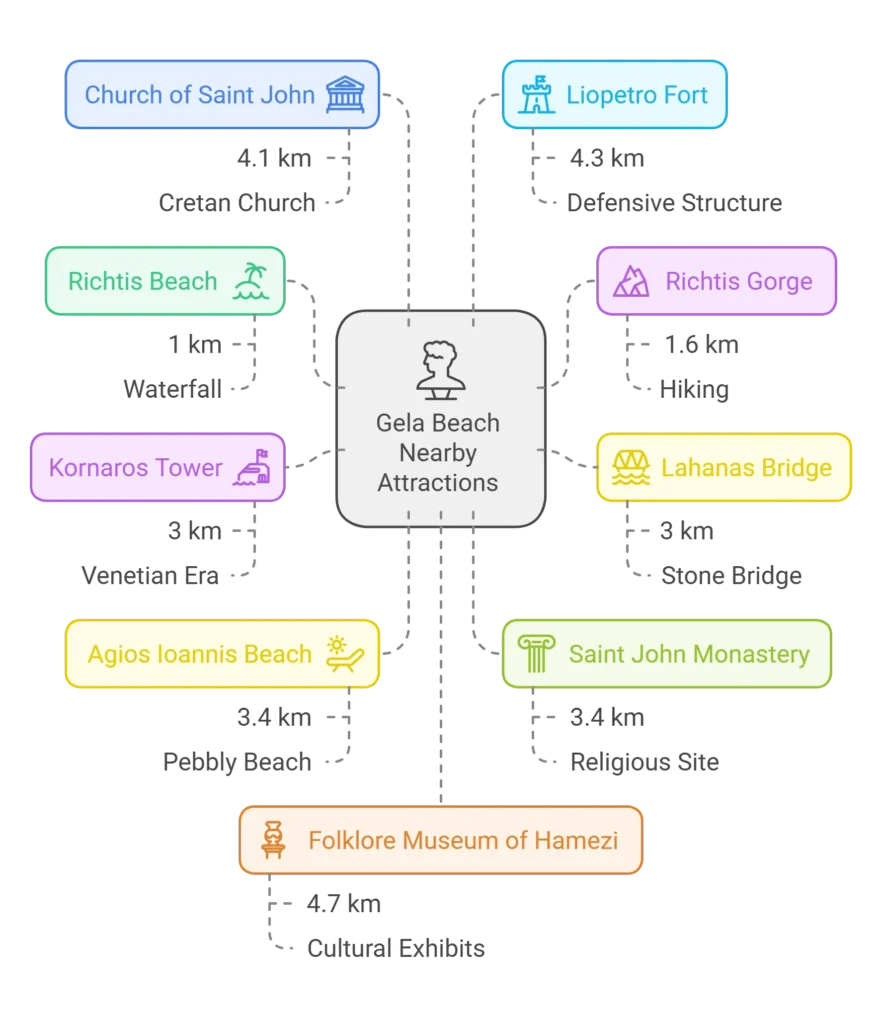
Discoveries Around Gela Beach
| Nearby Attraction | Description | Distance |
|---|---|---|
| Richtis beach | Beautiful beach with waterfall | 1 km (0.62 miles) |
| Richtis Gorge | Scenic hiking trail | 1.6 km (0.99 miles) |
| Lahanas Bridge | Historic stone bridge | 3 km (1.86 miles) |
| Kornaros Tower | Venetian-era defensive structure | 3 km (1.86 miles) |
| Agios Ioannis beach | Quiet, pebbly beach | 3.4 km (2.11 miles) |
| Saint John monastery | Historic religious site | 3.4 km (2.11 miles) |
| Church of Saint John | Traditional Cretan church | 4.1 km (2.55 miles) |
| Liopetro Fort | Ancient defensive structure | 4.3 km (2.67 miles) |
| Folklore Museum of Hamezi | Local cultural exhibits | 4.7 km (2.92 miles) |
| Hamezi Minoan Mansion | Ancient Minoan ruins | 5.1 km (3.17 miles) |